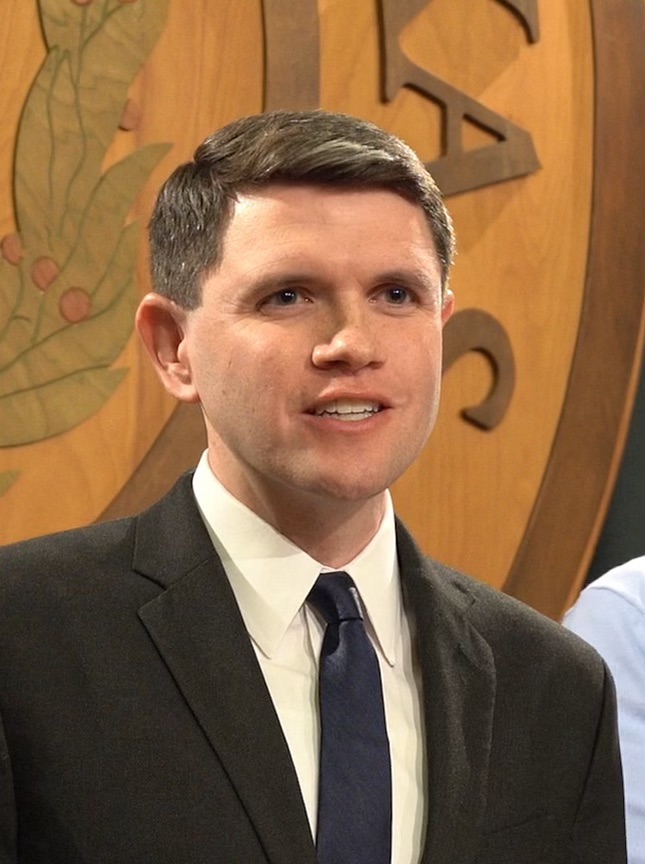
James Talarico raised $27 million in the first quarter of 2026, the largest haul by any U.S. Senate candidate in any state in the first quarter of an election year, bringing his total since entering the race last September to over $40 million. The Austin Democrat now faces Republican nominee Ken Paxton in November, and early polling puts him ahead, though no Democrat has won a statewide race in Texas since 1994.
A Fundraising Gap That Dwarfs the Competition
The numbers are hard to ignore. Talarico raised nearly $40.3 million total and reported roughly $9.9 million in cash on hand through the end of March, according to FEC filings. His Republican opponents, by contrast, combined for a fraction of that: Paxton raised about $2.2 million across his campaign committee and joint fundraising committee, while Cornyn raised roughly $9 million, much of it through a joint fundraising committee that cannot transfer the bulk of its funds directly to his campaign.
The scale of the advantage is striking even by national standards. Talarico outraised Georgia Sen. Jon Ossoff, who brought in $14 million in Q1, and more than doubled the totals of former North Carolina Gov. Roy Cooper and former Ohio Sen. Sherrod Brown, both running in states Democrats consider more competitive than Texas. His donor base also went national fast: during the final six weeks of Q1, the number of itemized out-of-state donors more than doubled, accounting for 46% of itemized contributions after February 11. His campaign reported receiving donations from over 540,000 individual contributors, with 97% of contributions at $100 or less.
The Beto Comparison Has Real Numbers Behind It
Every Texas Democrat who raises serious money eventually gets measured against Beto O'Rourke's 2018 run, when he came within three points of Ted Cruz and turned the state into a national fundraising phenomenon. The comparison is worth making carefully. O'Rourke raised $6.7 million in the first quarter of 2018; Colin Allred raised $9.5 million in Q1 2024. Talarico's $27 million dwarfs both, and he did it while still fighting a competitive primary against U.S. Rep. Jasmine Crockett, whom he defeated on March 3.
The structural question is whether money translates differently in 2026 than it did in 2018. Early polling and analysis suggest Talarico is positioned better than O'Rourke was at a comparable stage, though analysts caution that the gap between spring polls and November results has historically been wide in Texas. Democrats are hoping that President Trump's flagging approval ratings, paired with backlash from Latino voters over the economy and immigration enforcement, will create an environment more like 2018 than the cycles that followed.