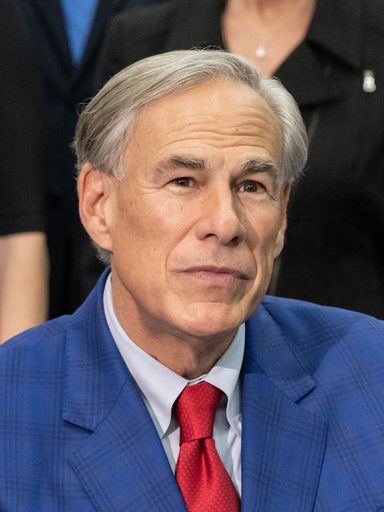
Gina Hinojosa delivered the keynote address at the Texas Democratic Convention in Corpus Christi on June 27 and laid out a populist economic agenda aimed at affordability, public education and curbing donor influence. The Democratic nominee for governor used the speech to accuse incumbent Republican Greg Abbott of running a pay-to-play system that raises costs for working families. The November 3 general election matchup now features a clear contrast on who controls the economic debate.
Hinojosa Frames Economic Failures as Donor-Driven
Hinojosa argued that rising costs, struggling schools and growing inequality trace directly to decades of Republican policies that favor big donors and corporate interests. She called for Democrats to reclaim the economic message by focusing on concrete relief for families rather than abstract national debates. The approach seeks to tie everyday pocketbook pressures to specific decisions made under Abbott.
She introduced the phrase Abbott corruption tax to describe what she sees as a system where political contributions buy favorable treatment. Hinojosa linked this pattern to higher utility bills, insurance rates and education funding shortfalls that hit working households hardest. Campaign materials released alongside the speech expanded on the same theme with examples drawn from recent state contracts and regulatory actions.
Abbott Campaign Emphasizes Growth Metrics
Abbott's team responded by pointing to Texas economic performance under his leadership, including continued expansion of Fortune 500 headquarters and business-friendly tax and regulatory policies. Spokespeople described the state as a magnet for job creation and investment that benefits residents across income levels. The counter-message avoids direct engagement with the corruption tax label and instead highlights aggregate growth numbers.
Those numbers include steady additions of corporate relocations and employment gains reported in state economic development releases. Abbott's campaign has used similar data in prior cycles to argue that Republican governance delivers tangible results without the regulatory burdens proposed by Democrats. The exchange leaves voters to weigh headline growth against Hinojosa's claims about who captures the gains.