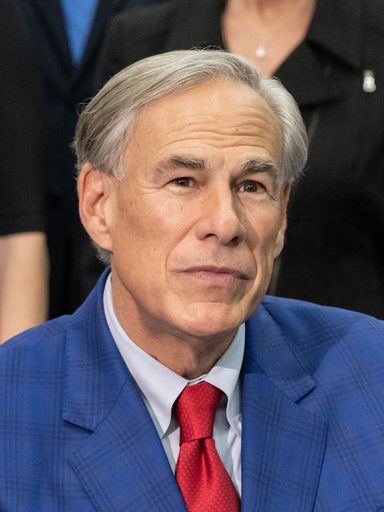
Gina Hinojosa released statements and videos on April 15, 2026, that branded higher electricity bills and water shortages as the direct result of what she calls the Greg Abbott Corruption Tax. The Democratic nominee for Texas governor used the Tax Day rollout to connect post-Winter Storm Uri rate hikes and Corpus Christi supply problems to donor deals under the incumbent Republican. The effort keeps pressure on Greg Abbott in a key South Texas media market ahead of the November election.
Tax Day Release Ties Energy Costs to Donor Priorities
Hinojosa's campaign website laid out the Corruption Tax argument with specific examples drawn from electricity markets after the 2021 winter storm. The messaging frames rate increases as the product of policy choices that favored certain energy interests over household budgets. Videos distributed the same day repeated the phrase across social platforms to reach voters already feeling the impact in monthly bills.
The approach avoids broad attacks and instead lists concrete cost drivers that residents can verify on their statements. By anchoring the slogan to Tax Day, the campaign tied the message to an annual reminder of government impact on personal finances. This timing gave the critique immediate relevance without requiring new events.
Corpus Christi Water Shortages Become Central Case Study
Hinojosa's team singled out Corpus Christi to illustrate claims that industrial donors receive priority in water allocation decisions. The campaign accused the Abbott administration of failing to secure adequate supplies for residents while accommodating large users. Instagram posts from the effort highlighted local shortages as evidence of misplaced priorities in state permitting and infrastructure choices.
Residents in the area have faced repeated conservation notices in recent years. The campaign messaging presents these notices as predictable outcomes of decisions that placed donor interests ahead of municipal needs. This localized focus allows the broader Corruption Tax theme to land with voters who experience the effects directly in their taps and utility notices.