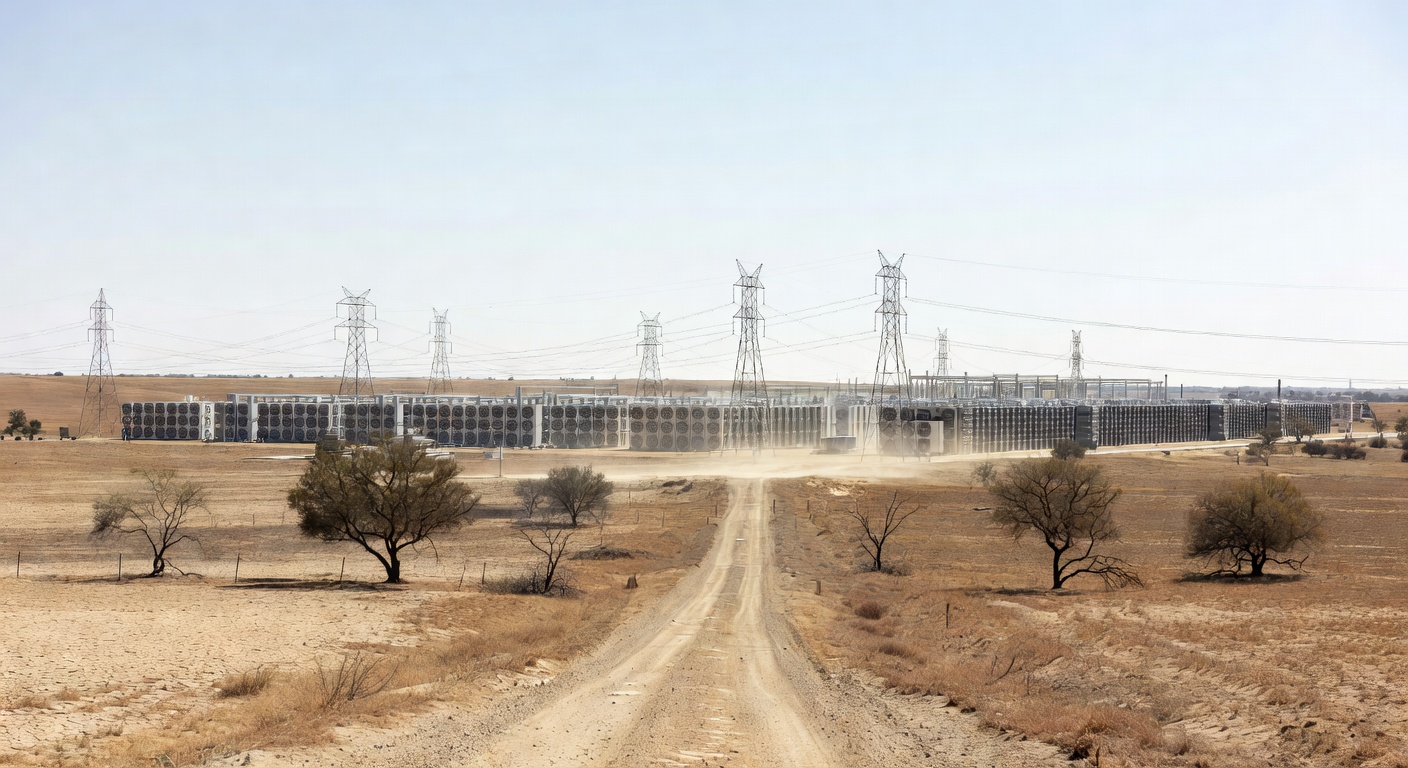
At least 82 data centers, nearly 60% of those planned or under construction in Texas, sit in state House districts that backed Donald Trump in 2024 and sent Republicans to Austin. These projects promise jobs and economic growth. Rural voters in those same districts fight them over surging power bills, water shortages, and noise, forcing GOP lawmakers into a bind as local opposition mounts.
Rural Republicans Face Voter Backlash
Sixty-five percent of Americans oppose an AI data center in their community, according to a March 2026 Quinnipiac University poll. They cite electricity costs (72%), water consumption (64%), and noise pollution (41%) as top concerns. In Texas, those numbers hit home hardest in red districts.
The Texas Tribune's analysis maps the conflict. Data centers cluster in rural areas outside major cities, where Republican incumbents won by wide margins. Voters there see infrastructure buckling under the load. Power grids strain to feed massive cooling systems. Wells run dry amid drought. Rep. Helen Kerwin now calls for a statewide pause on new builds.
| Company/Project | Location | Status/Details |
|---|---|---|
| OpenAI Stargate | Milam County | Under construction |
| West Texas/Panhandle | $40 billion investment | |
| Amazon | Somervell County | 600MW, tax abatement approved |
| Unnamed | Brazoria County | 620MW proposed, tax abatement denied |
| Unnamed | San Marcos | $1.5 billion, rezoning denied |
Local resistance boils over. Residents pack hearings in Falls, Brazoria, and Somervell Counties. Rena Schroeder quit the GOP over Stargate in her backyard. Hood County rejected a moratorium, but the pushback echoes statewide.
Party Leaders Push Growth Over Gripes
Governor Greg Abbott and President Trump champion data centers as engines of jobs and national security. Abbott's administration touts them as vital to keeping Texas ahead in AI. The state handed out a sales tax exemption projected to cost $3.2 billion in revenue over two years, per the Comptroller's office.
That subsidy fuels the boom. Tech giants pour in billions. Google pledges $40 billion across West Texas and the Panhandle. OpenAI breaks ground on Stargate. Amazon secures tax breaks for 600 megawatts in Somervell County. Republicans in Austin see these as wins: thousands of construction jobs now, high-wage tech roles later, and a hedge against California-style regulations.
Yet the math favors rural voters in primaries. Those 82 districts form the GOP base. Incumbents who ignore the backlash risk primary challengers. The Tribune reports projects denied in Brazoria and San Marcos after public outcry. Lawmakers feel the heat.