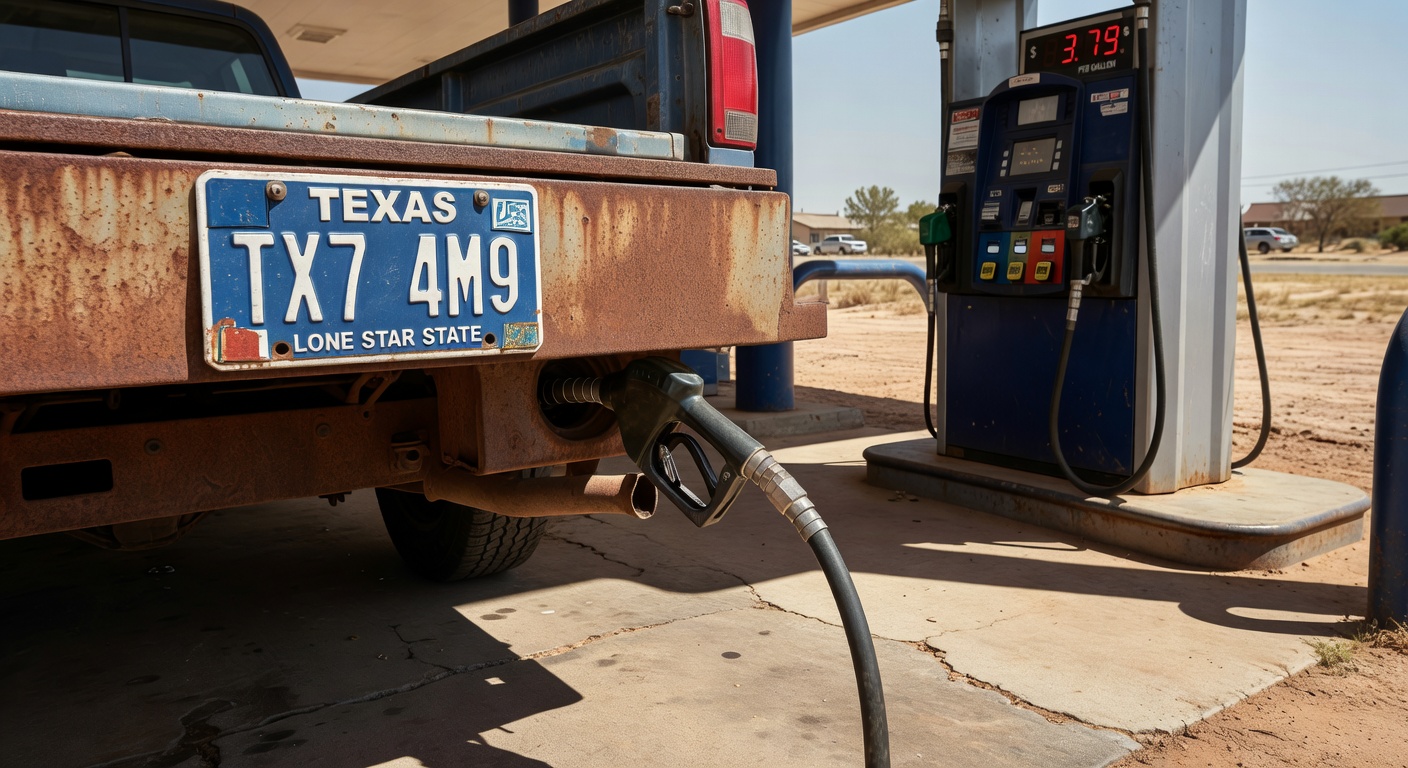
Sixty-one percent of Texas voters express deep concern over gasoline and energy prices, a sharp rise from 38 percent in February, as war in Iran pushes prices to $3.79 a gallon from $2.72 a year ago. This economic gloom dominates the latest University of Texas/Texas Politics Project poll of 1,200 registered voters conducted April 10-20 with a margin of error of plus or minus 2.83 percent. Republicans maintain slim edges in legislative and congressional ballots despite the downturn, but Democrats gain ground in U.S. Senate matchups.
Gas Prices Eclipse All Other Worries
Texas drivers feel the pinch hardest at the pump. The poll captures a 23-point jump in those "very concerned" about fuel costs since winter. Families now pay 39 percent more per gallon than last year, a direct hit tied to conflict disrupting oil supplies from the Middle East.
Everyday expenses follow close behind. Voters rank inflation and higher prices as the top issue at 15 percent, with the economy second at 9 percent. Concern levels hit 65 percent for grocery and goods prices, 63 percent for health care, and 53 percent for housing. These figures reflect broad pain points across urban and rural districts alike.
| Issue | Percentage |
|---|---|
| Gasoline and energy | 61% |
| Everyday goods | 65% |
| Health care costs | 63% |
| Housing costs | 53% |
Source: April 2026 UT/Texas Politics Project toplines.
National Economy Ratings Plunge Across Party Lines
Fifty-five percent of Texans view the national economy as worse than a year ago, against 27 percent who see improvement. This sour mood crosses party lines. Even Republicans soured, with positive assessments dropping from 62 percent to 46 percent better off.
Democrats and independents remain pessimistic, but the GOP shift signals vulnerability. Tariffs add to the burden: 55 percent report they hurt their household finances. Rising energy costs amplify this, especially in Texas, the nation's top oil producer. Voters blame external shocks like the Iran war, yet incumbents face the backlash.
The poll underscores how pocketbook issues override ideology. In a state where energy jobs sustain millions, sustained high prices erode support for status quo leadership.
